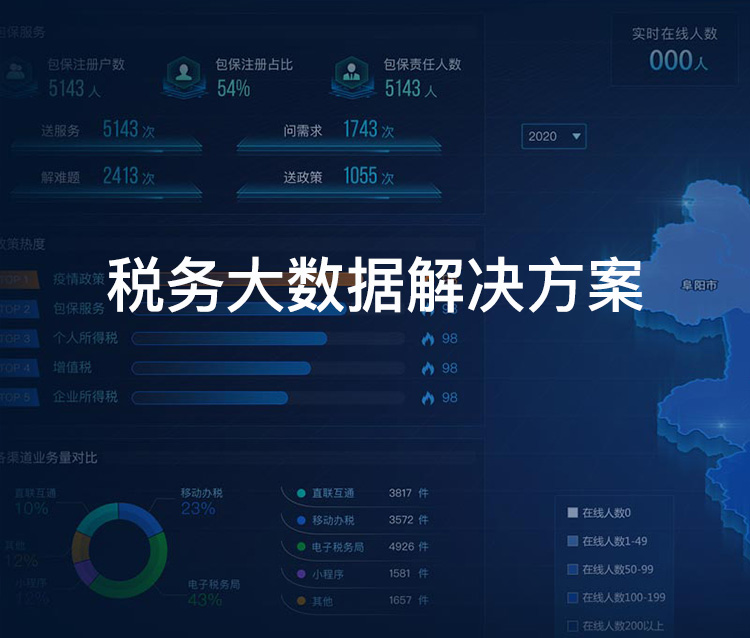

Tax Big Data

Enhance the tax governance system, optimize tax administration methods, and further improve the efficiency and effectiveness of tax collection and management.

Application Scenario

Tax Big Data

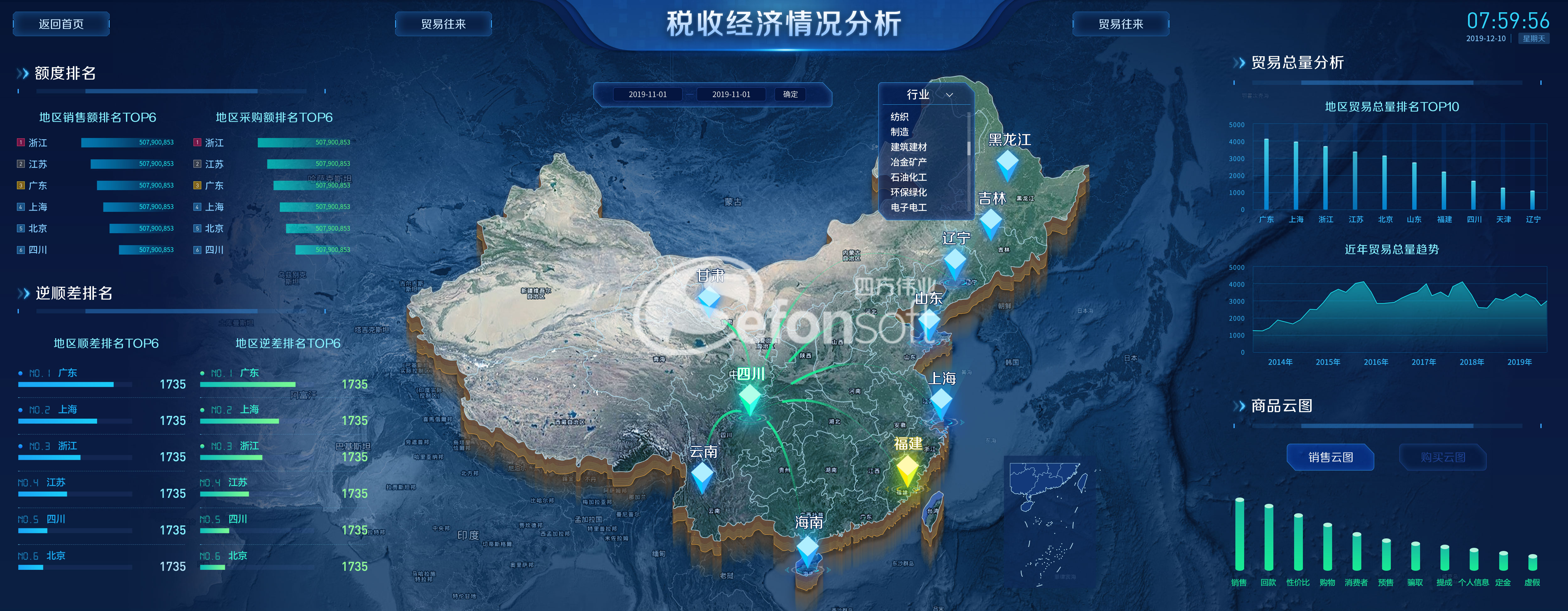
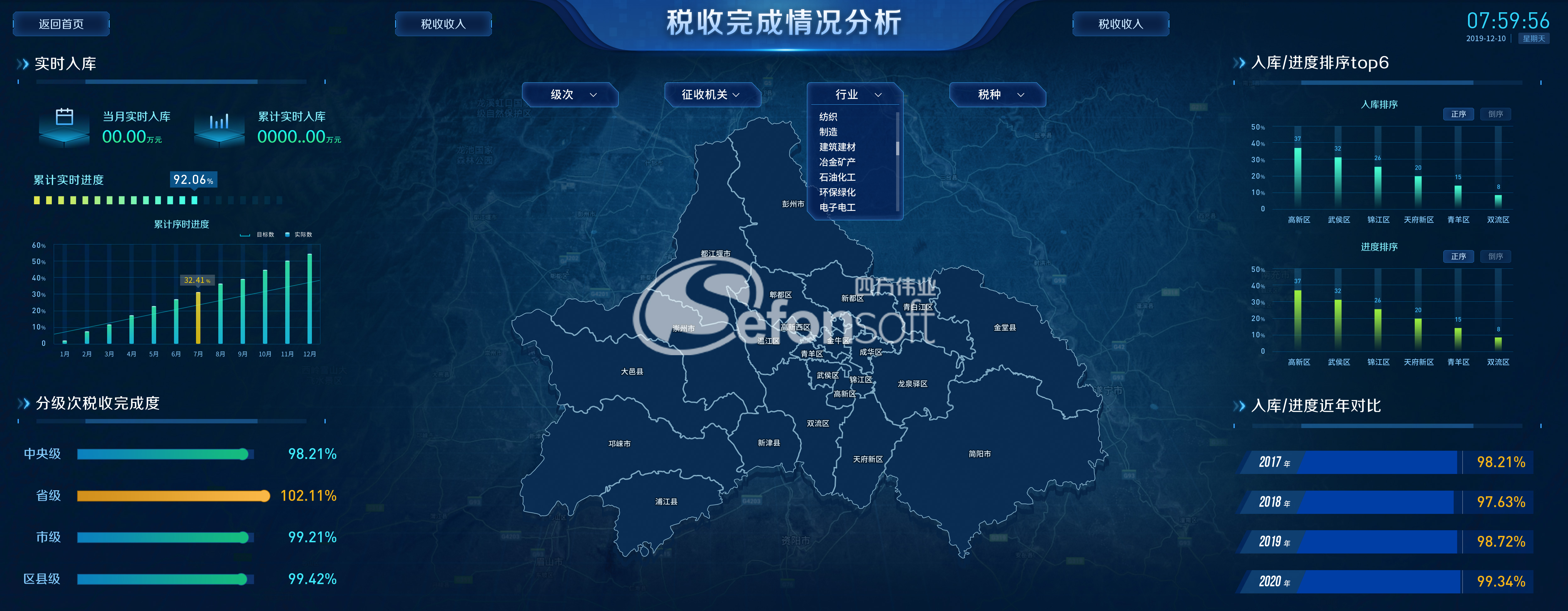
Tax administration is increasingly moving toward precision, intelligence, and scientific management through big data technologies. Tax authorities are exploring the use of informatization tools to integrate big data into tax governance, continuously improving the tax governance system, optimizing governance methods, and launching a series of innovative service initiatives. These efforts not only facilitate taxpayers but also further enhance the efficiency and effectiveness of tax collection and administration.


Industry Challenges

Lack of standardized tax regulations for the big data era
Existing tax policies and regulations are not fully adapted to the collection, integration, and application of big data, limiting governance effectiveness.
Expand all
Suboptimal tax data quality
Tax-related datasets require improvement in accuracy, completeness, and consistency to fully support data-driven decision-making.
Expand all
Low utilization of tax information for analysis
The value of tax data is not fully exploited, resulting in limited analytical insights for governance, compliance, and taxpayer services.
Expand all
Need to strengthen data security
Tax-related information requires enhanced measures to ensure confidentiality, integrity, and secure cross-departmental or cross-regional sharing.
Expand all

Our Methodology

Enhance the data asset management system

The primary task of tax data quality management is standardization. Defining unified and standardized metadata—achieving the principle of “same track for vehicles, same script for documents” in the big data era—forms the foundation for tax information interoperability, exchange, centralization, and sharing, as well as for data analysis and mining. By improving the data asset management system, strengthening data quality audits, and establishing a chain-based management of tax administration data, the overall quality of tax system business data can be gradually enhanced.

Strengthen artificial intelligence applications

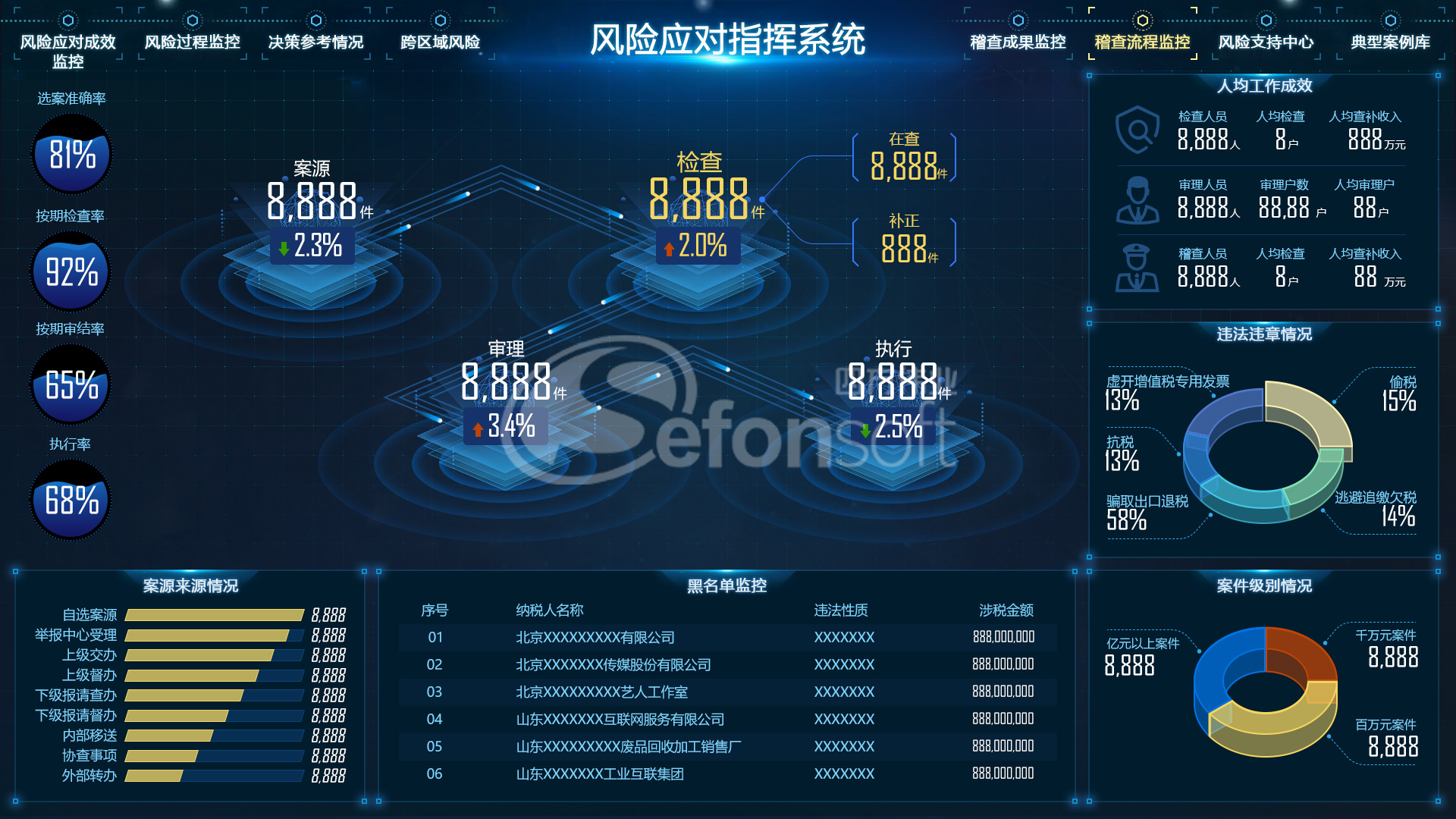
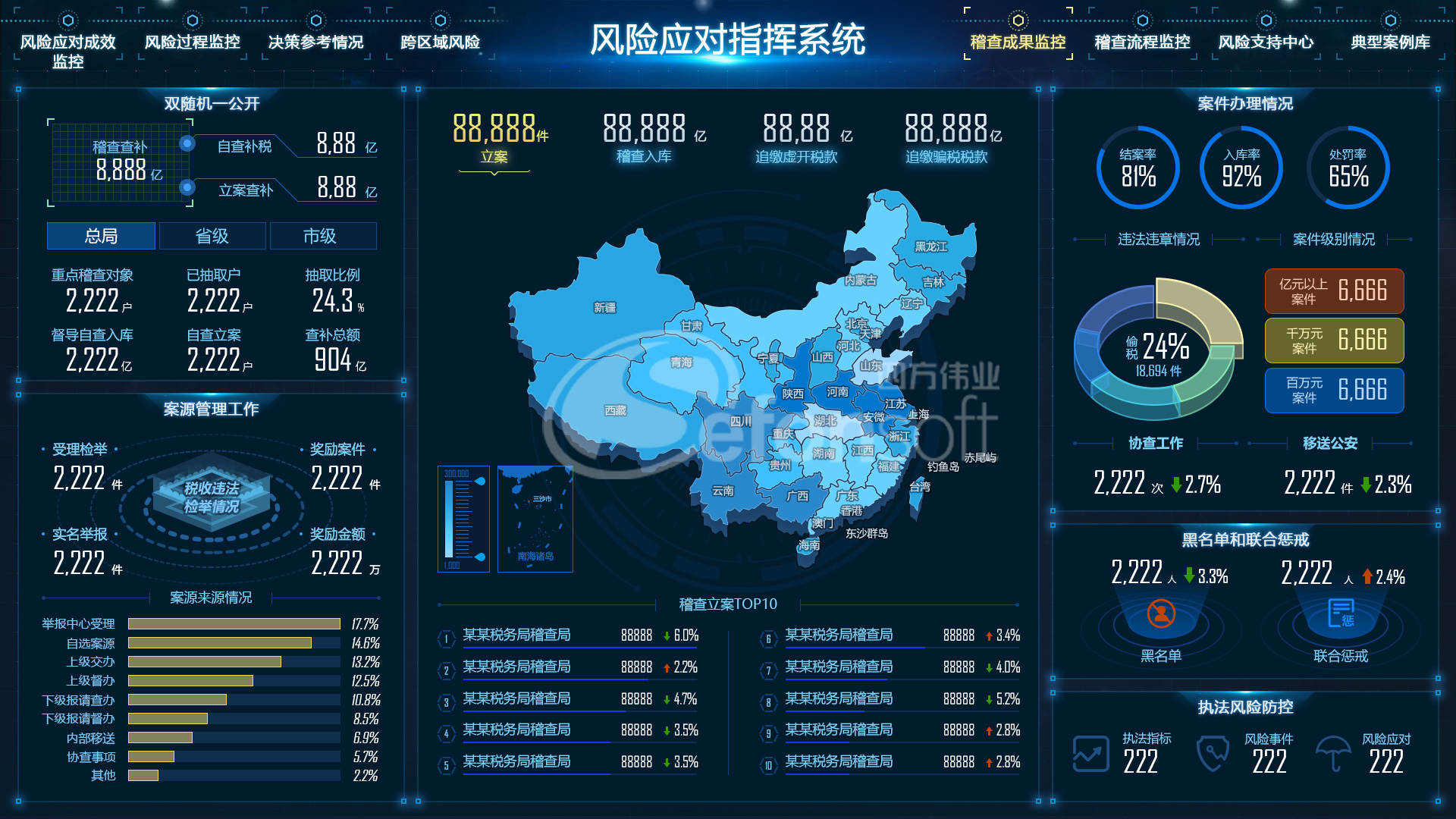
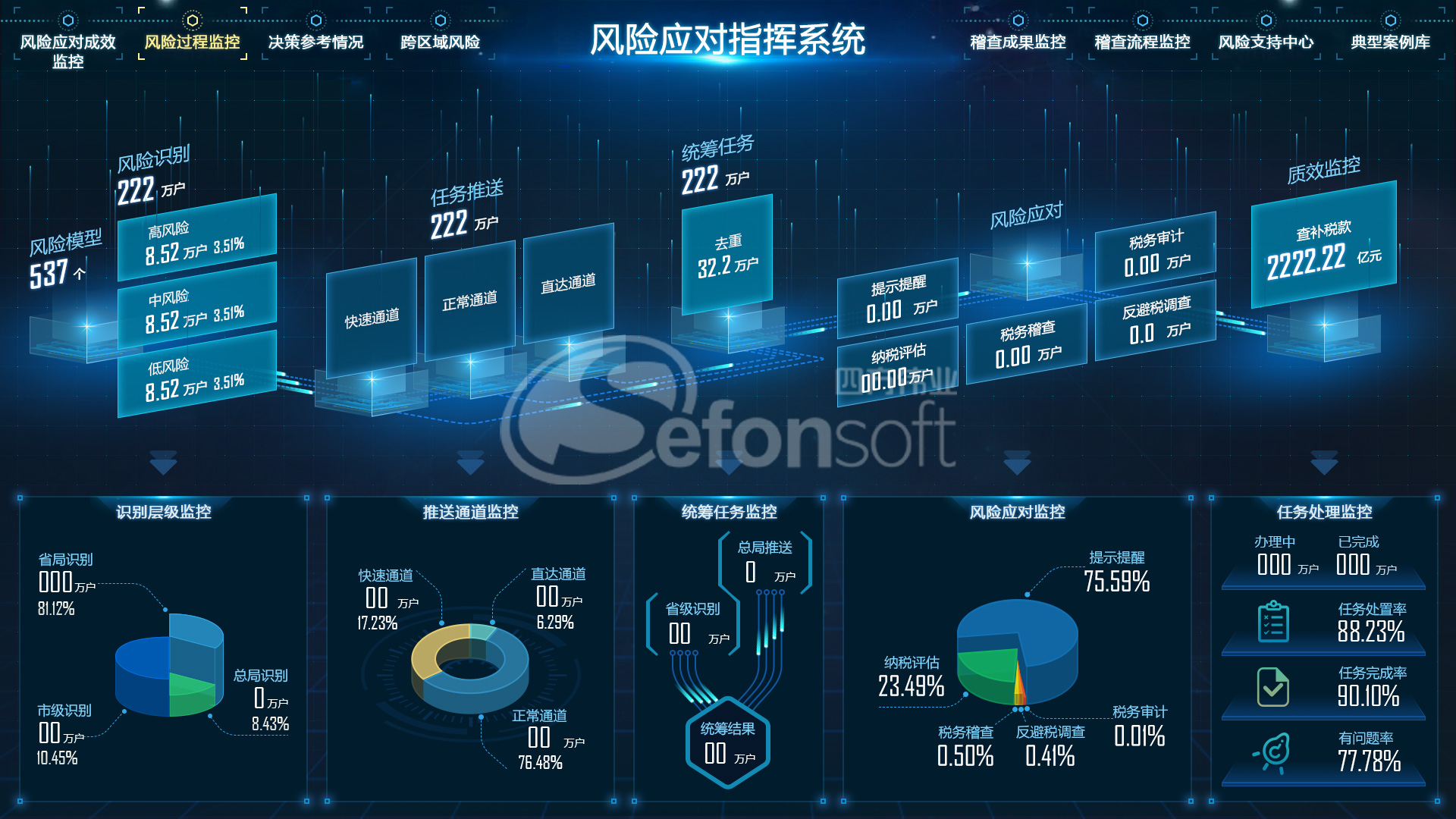
Utilizing data mining and machine learning, multi-dimensional taxpayer characteristics can be summarized and integrated, creating comprehensive profiles of taxpayers and their tax-related behavior, thereby reinforcing supervision. By building a big data and AI platform, a full-chain risk management system can be established. Machine learning algorithms can assess potential risks of invoice fraud, shifting risk management upstream and enabling precise detection and prevention of fraudulent tax behavior.

Improve tax-related legal and regulatory frameworks

Robust legal and regulatory systems provide institutional support for big data applications. Tax authorities should be granted full rights to collect and access tax-related information, with clearly defined scopes of data collection and usage. Additionally, legal frameworks should mandate that information providers submit accurate tax-related data, allowing tax authorities to fully understand taxpayers’ business operations, reduce information asymmetry, enhance data analysis, and strengthen tax administration.

Build a comprehensive tax big data platform

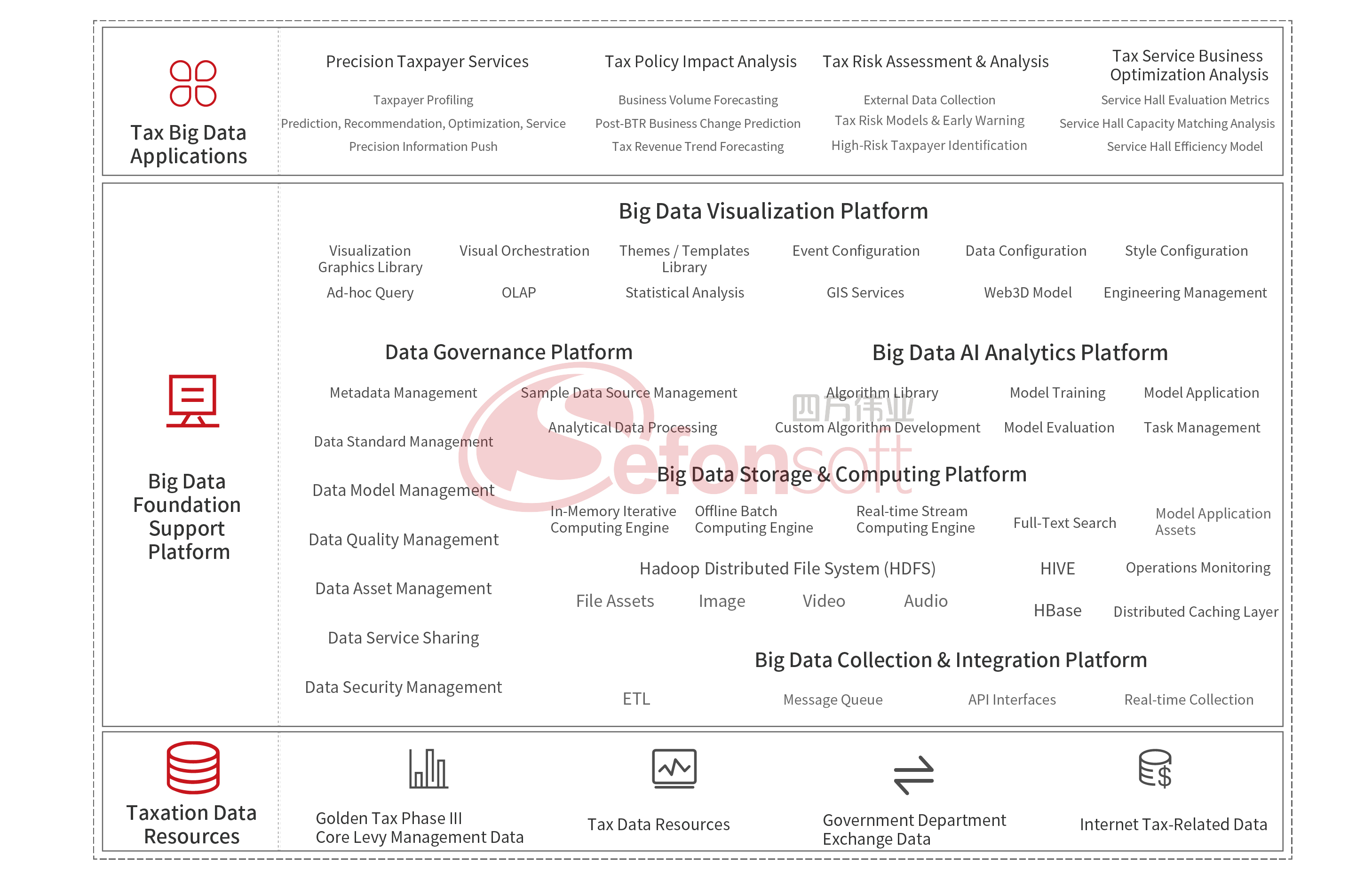
To leverage big data effectively, tax authorities should expand data collection, integrating tax-related information from multiple departments such as commerce, land, national taxation, and social security. Big data technologies can establish a unified underlying data storage and processing center, enabling batch collection, centralized storage, intelligent analysis, and categorized applications. This allows seamless integration of third-party tax information with tax risk management systems, providing comprehensive services such as real-time tax monitoring, policy compliance supervision, tax forecasting, and risk early warning.

Establish robust tax information security mechanisms

Tax authorities should utilize big data, internet, and cloud computing technologies to develop a secure tax information system. By creating a rational data analysis index system and conducting industry-specific risk assessments with corresponding risk models, taxpayer-reported data can be cross-checked against administrative systems to mitigate risks at the source. Staff should receive specialized training on tax information security, supported by management regulations and technical safeguards to ensure the protection of tax-related data.

Consult Now Free trial

Holistic Planning

Implementation Value

Neural network techniques can process historical data to predict current period metrics, enabling rapid identification, monitoring, and early warning of potential risks. This generates actionable back-end insights, achieving precise risk management.

Neural network techniques can process historical data to predict current period metrics, enabling rapid identification, monitoring, and early warning of potential risks. This generates actionable back-end insights, achieving precise risk management.

By selecting real-time performance indicators and assigning their weighting dynamically through big data technologies—using fuzzy logic, hierarchical analysis, and other methods—the evaluation becomes more accurate, objective, and aligned with actual operational conditions compared to fixed-weight evaluation methods.

By selecting real-time performance indicators and assigning their weighting dynamically through big data technologies—using fuzzy logic, hierarchical analysis, and other methods—the evaluation becomes more accurate, objective, and aligned with actual operational conditions compared to fixed-weight evaluation methods.

利用大数据服务于绩效管理,选取绩效管理实时性指标,将各指标占总体权重的决定权交由大数据技术,运用模糊、层次等技术分析调整权重,绩效评价比固定的指标权重评价更加符合实际,且评价更加准确和客观。

利用大数据服务于绩效管理,选取绩效管理实时性指标,将各指标占总体权重的决定权交由大数据技术,运用模糊、层次等技术分析调整权重,绩效评价比固定的指标权重评价更加符合实际,且评价更加准确和客观。

The integration of big data with tax operations significantly expands both the scope and impact of applications, far surpassing the achievements of traditional informatization efforts, and has become a powerful tool to drive deeper tax reform.

The integration of big data with tax operations significantly expands both the scope and impact of applications, far surpassing the achievements of traditional informatization efforts, and has become a powerful tool to drive deeper tax reform.

Begin Your Data Intelligence Journey Today

Consultation Free Trial