Emergency Management Big Data

Application Scenario

Emergency Management Big Data

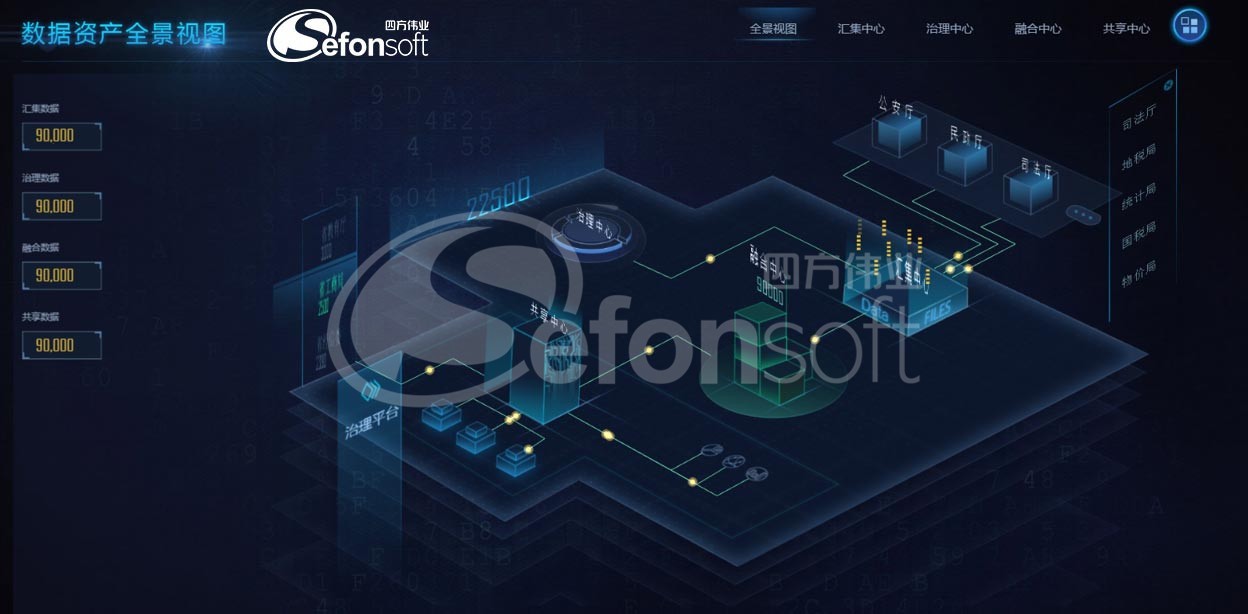
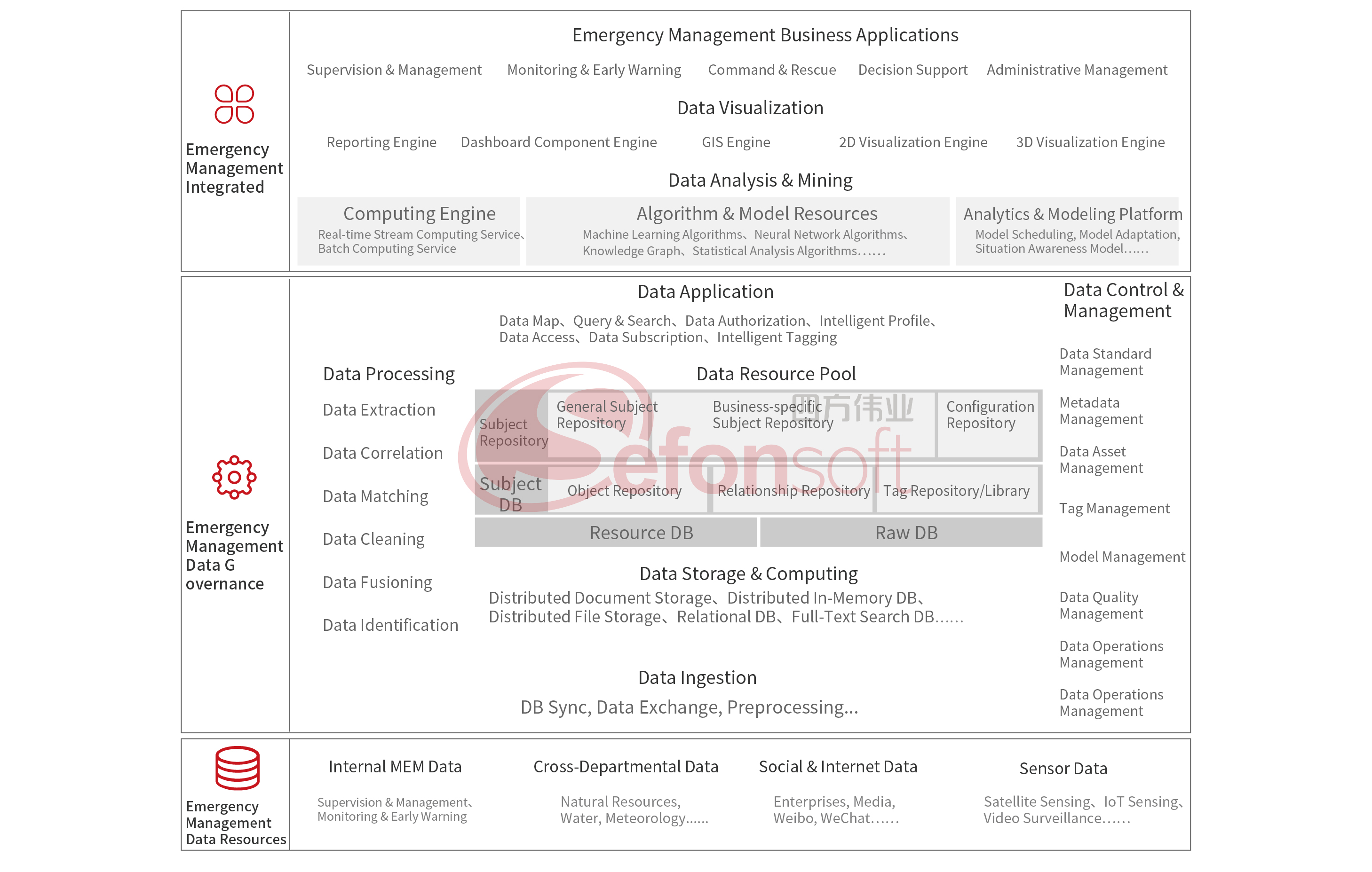
Under a unified information resource planning framework, emergency management business data will be aggregated and governed to form a centralized big data resource center. Internally, this enables standardized, refined, and permission-based management of all departmental business data within emergency management authorities. Externally, it ensures the acquisition of relevant business data from various commissions, offices, and bureaus, and establishes seamless access channels between the business systems required for emergency management, eliminating “data silos.” The system will also provide data sharing, exchange, and application services to support emergency response and decision-making.


Industry Challenges

Lack of integrated construction
Many business systems are built in isolation as “information silos,” resulting in dispersed production data, low data quality, and poor utilization.
Expand all
Insufficient data integration
The wide range of departments and business areas involved leads to fragmented data storage, diverse data types, and inconsistent standards.
Expand all
Limited application intelligence
Information systems remain relatively underdeveloped, business application maturity is low, and the integration of emerging technologies is inadequate.
Expand all

Our Methodology

Information integration and open sharing

Standardize the collection and management of foundational emergency data, optimize and consolidate internal information resources, and establish mechanisms for data sharing and exchange with external departments and bureaus to achieve full interconnectivity. Leverage data exchange frameworks and service bus architectures to integrate, share, and open access to government and operational data.

Innovation-driven, deeply integrated

Promote the deep integration of big data, artificial intelligence, and other information technologies with emergency management operations—using integration to drive innovation, and innovation to drive reform. This approach fosters new momentum, new operational models, and expanded development opportunities.

Business-oriented, data-led

Facilitate the organic integration of business processes and information flows through data aggregation and sharing, maximizing the role of informatization technologies in five core areas: supervision and regulation, monitoring and early warning, command and rescue, decision support, and administrative management.

Standards-based, secure, and reliable

Adhere primarily to adopting existing standards, supplemented by internally developed ones, to strengthen the construction of information standards and standardized management, ensuring alignment across levels, data sharing, and business collaboration. Strictly implement national cybersecurity policies, deploy mature and reliable protection measures, and establish a comprehensive security management and operational support framework.

Consult Now Free trial

Holistic Planning

Implementation Value

Achieving multidimensional data sharing and visualization

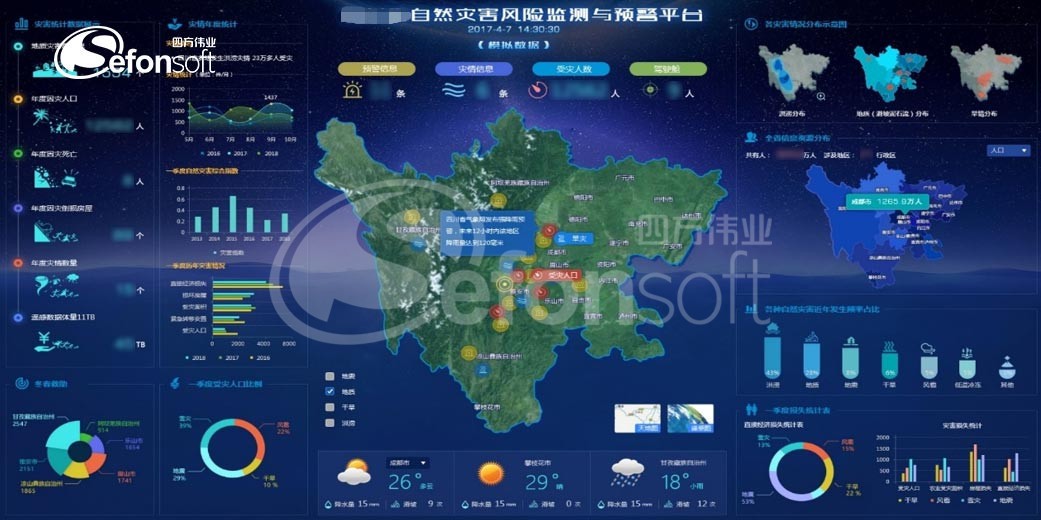
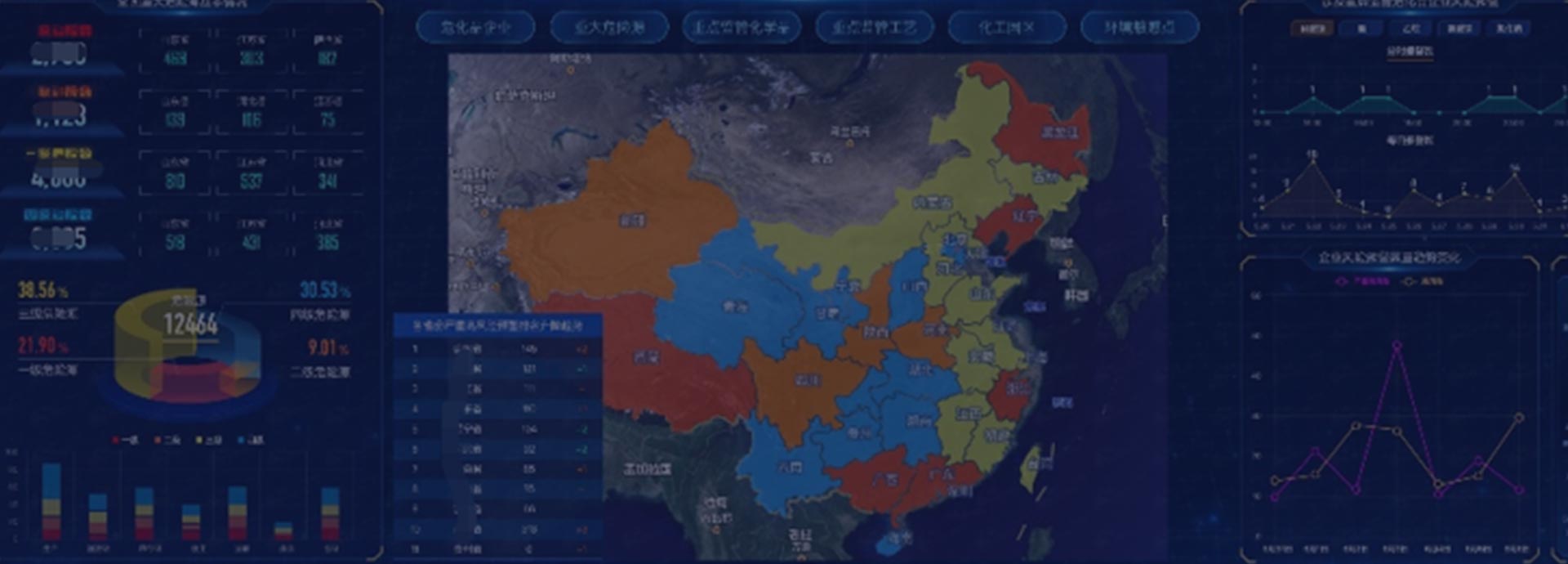
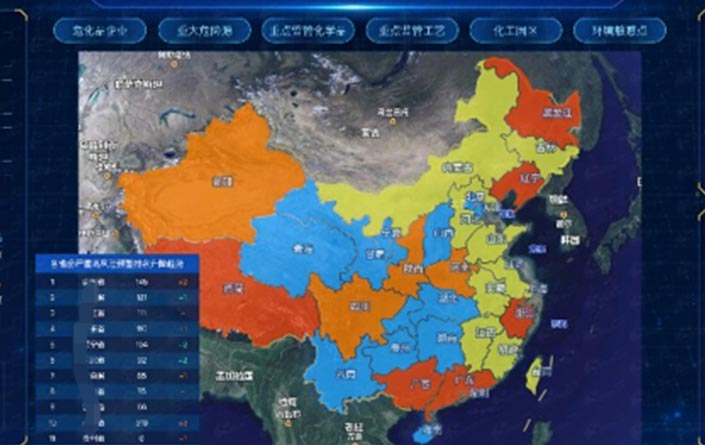
Leveraging the ministry’s EGIS services, fully integrate data from multiple departments, business lines, and sources. By overlaying business layers, deliver multi-theme visualization applications to support monitoring and early warning, decision analytics, and emergency command and dispatch.

Leveraging the ministry’s EGIS services, fully integrate data from multiple departments, business lines, and sources. By overlaying business layers, deliver multi-theme visualization applications to support monitoring and early warning, decision analytics, and emergency command and dispatch.

Enhancing emergency dispatch and response capabilities

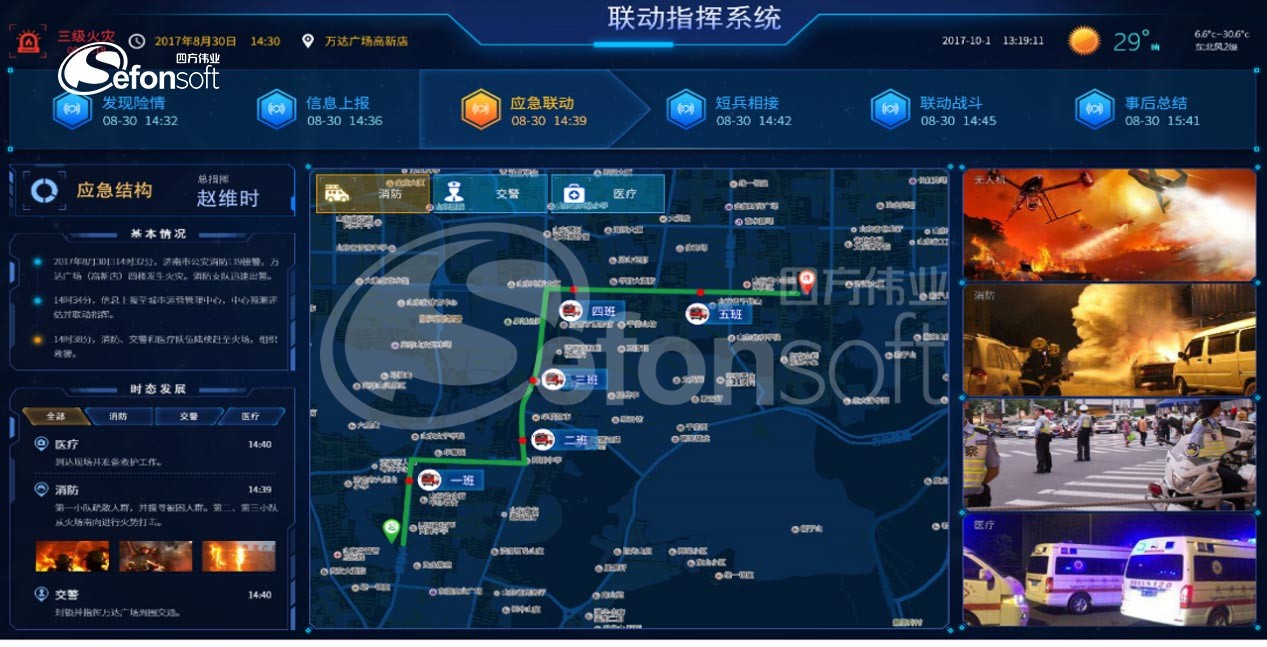
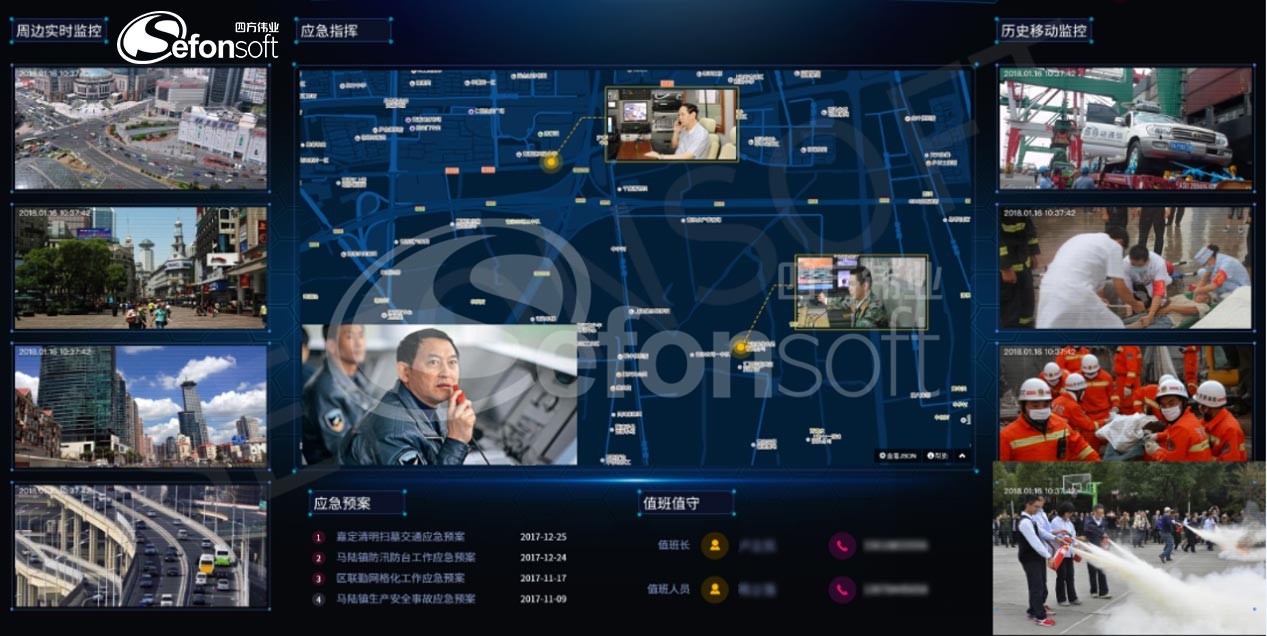
Based on visualization technology, EGIS, converged communications, collaborative consultations, contingency plan management, and resource management, develop a “one-map” emergency command system. This provides robust support for real-world rescue operations and the handling of sudden incidents.

Based on visualization technology, EGIS, converged communications, collaborative consultations, contingency plan management, and resource management, develop a “one-map” emergency command system. This provides robust support for real-world rescue operations and the handling of sudden incidents.

Advancing the deep application of new ICT technologies

Employ machine learning, artificial intelligence, and knowledge graph technologies to enable intelligent assessment of comprehensive natural disaster risks, dynamic evaluation of enterprise safety production risks, and urban safety risk analysis. Continuously enhance the ability to detect, perceive, and proactively prevent various risks and hazards.

Employ machine learning, artificial intelligence, and knowledge graph technologies to enable intelligent assessment of comprehensive natural disaster risks, dynamic evaluation of enterprise safety production risks, and urban safety risk analysis. Continuously enhance the ability to detect, perceive, and proactively prevent various risks and hazards.

Establishing an interconnected foundational information sharing mechanism

Build a standardized and unified emergency management application platform where data is shared and utilized across departments. This platform supports daily regulatory statistics, dynamic monitoring and early warning, and command decision-making. It enables end-to-end, cross-level, and cross-regional data sharing and exchange services.

Build a standardized and unified emergency management application platform where data is shared and utilized across departments. This platform supports daily regulatory statistics, dynamic monitoring and early warning, and command decision-making. It enables end-to-end, cross-level, and cross-regional data sharing and exchange services.

Begin Your Data Intelligence Journey Today

Consultation Free Trial