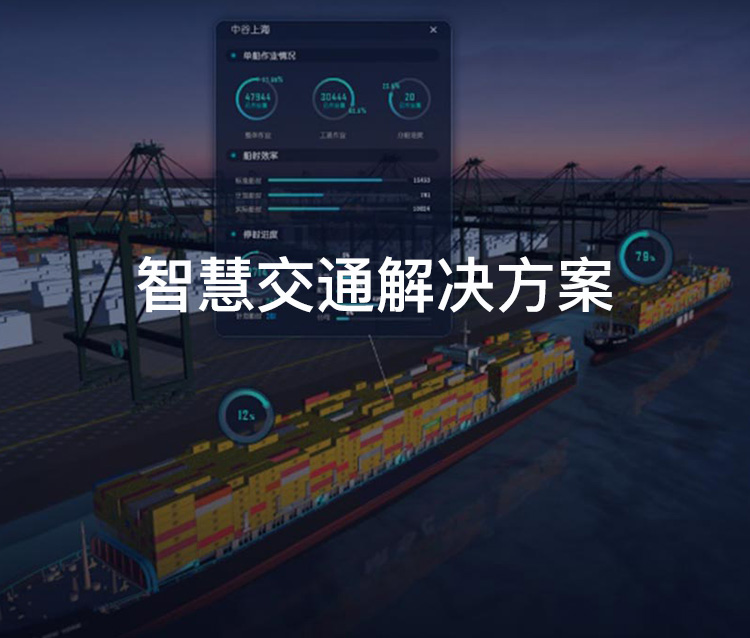
Smart Transportation Solution

Application Scenario

Smart Transportation Solution

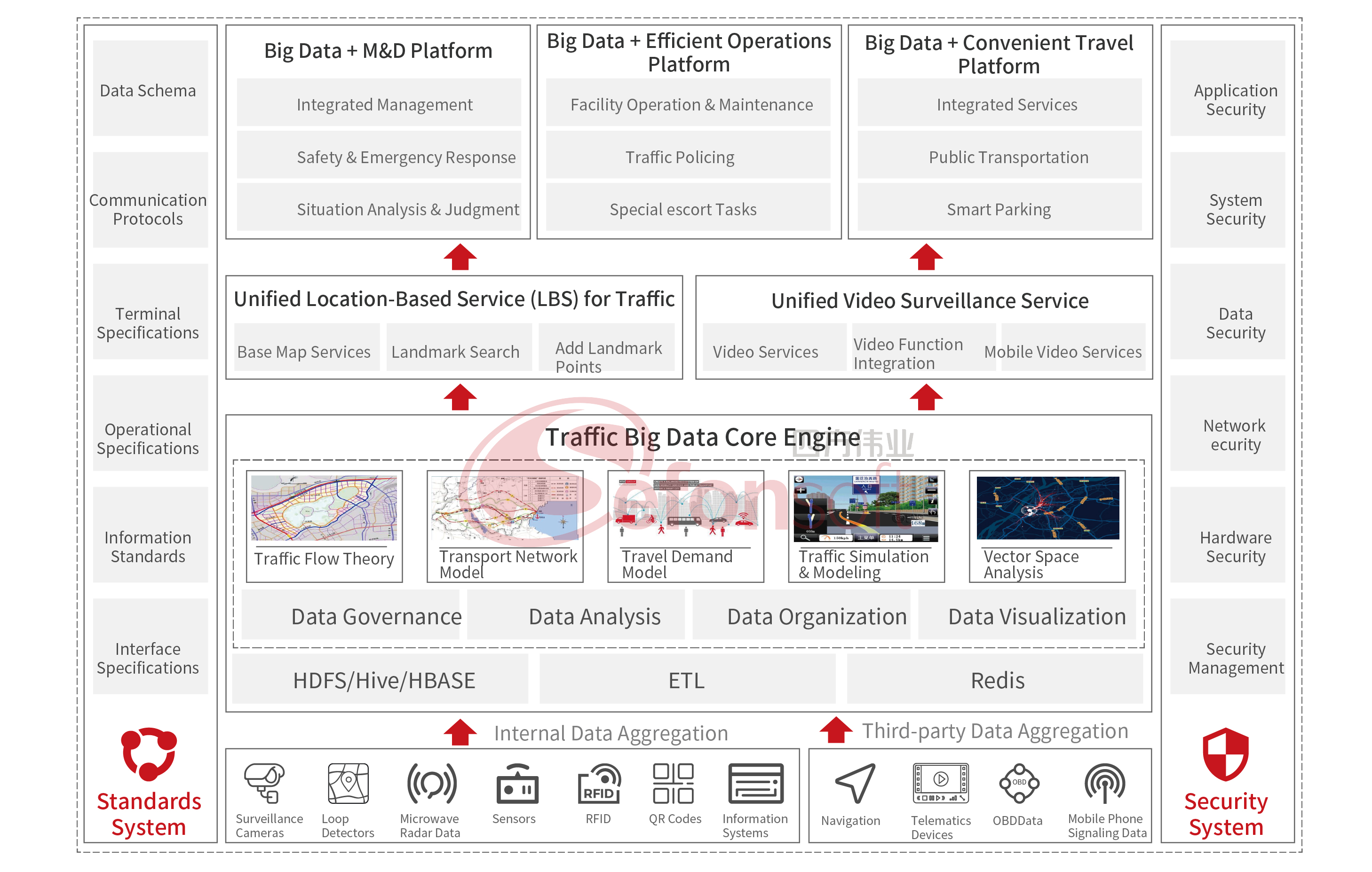
Transportation big data serves as a crucial foundation and effective tool for the development of “Internet + Transportation.” At the macro level, the development and application of transportation big data support comprehensive transportation system functions including planning, design, construction, management, operation, and maintenance. At the micro level, it guides the optimization of regional traffic organization. The release of the Ministry of Transport’s “Action Plan for Promoting the Development of Comprehensive Transportation Big Data (2020–2025)” in December further confirms that the era of deep integration between big data and comprehensive transportation has arrived.

Industry Challenges

Traffic management is fragmented across regions and sectors, resulting in dispersed, multi-source, and heterogeneous data that is difficult to collect.
Expand all
Due to the real-time nature of traffic management, there is insufficient capacity for storing and processing massive volumes of data.
Expand all
Data standardization is low, data quality varies significantly, and a comprehensive data governance system is lacking.
Expand all
Traffic data resources are siloed and fragmented, with limited data sharing between departments and agencies.
Expand all

Our Methodology

Business Integration and Data Sharing

Utilize big data technologies to integrate information and unify resources across the comprehensive transportation system. Drive business processes through data to empower smart transportation, enabling information management, decision support, shared services, and business collaboration within the transportation informatization framework.

Asset Activation and Value Realization

Leverage big data products and technologies to analyze vast industry asset data, optimizing asset operation. This enhances support for business strategies by revitalizing existing assets and improving incremental asset quality, maximizing management, decision-making, and efficiency. Simultaneously, accelerate multi-party resource integration, elevate operational capabilities, and transition from experience-based to scientifically refined management under big data-driven smart transportation.

Strategic Planning and Standards Development

Collaborate with business units to define transportation industry data standards, including classification, grading, desensitization, traceability, and identification of comprehensive transportation information resources. Improve data quality and build high-value traffic data assets. Offer data sharing and exchange services externally through resource catalogs.

Layered Decoupling and Middleware-Driven Architecture

Develop a “Data Resource Service Platform” supported by big data capabilities to address common challenges in technical support, data collection, governance, mining, analysis, application, and visualization aligned with strategic business goals. Employ a productized technical function approach based on the “data middleware” architectural concept to deliver technical support services across different business dimensions and scenarios.

Consult Now Free trial

Holistic Planning

Implementation Value

The adoption of new big data paradigms and cloud computing capabilities significantly enhances transportation capacity and alleviates transportation pressures. It enables intelligent, informational, automated, and integrated development within the transportation sector. By building an intelligent traffic management model centered on big data technology, traffic resource allocation is optimized, and challenges in processing and analyzing massive data volumes are effectively addressed, greatly improving intelligent transportation efficiency.

The adoption of new big data paradigms and cloud computing capabilities significantly enhances transportation capacity and alleviates transportation pressures. It enables intelligent, informational, automated, and integrated development within the transportation sector. By building an intelligent traffic management model centered on big data technology, traffic resource allocation is optimized, and challenges in processing and analyzing massive data volumes are effectively addressed, greatly improving intelligent transportation efficiency.

Success Stories

Anhui Expressway Information Management

Based on the traffic conditions, vehicle flow, and meteorological information of the Anhui Province expressway network, combined with service area business operations and consumer spending,supply chain data, a association analysis is conducted to examine the relationships among these datasets.

Learn more

Begin Your Data Intelligence Journey Today

Consultation Free Trial