Urban Digital Twin

Promoting refined, intelligent, and precise urban management, comprehensively enhancing the city’s overall governance capabilities.

Application Scenario

Urban Digital Twin

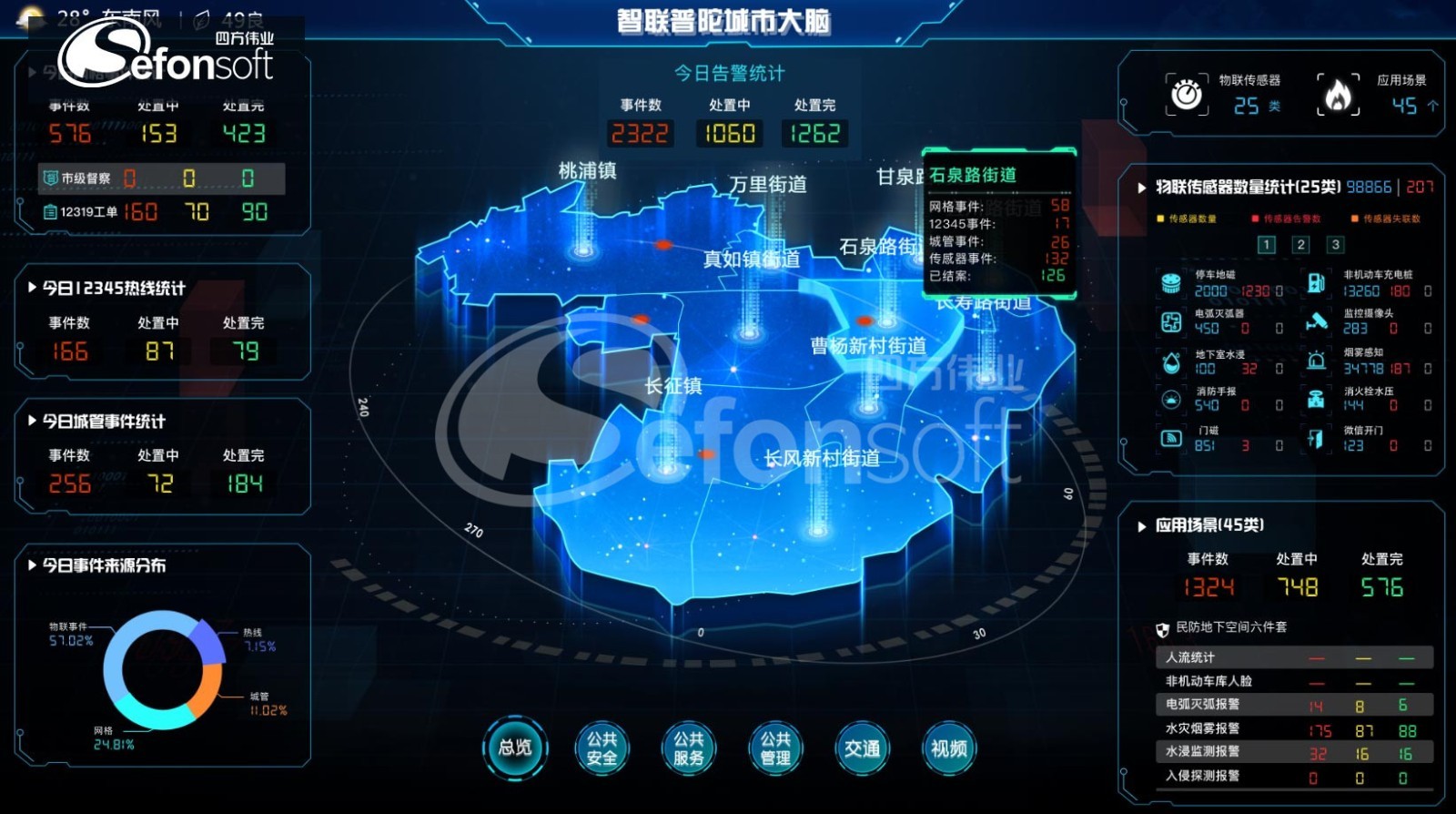
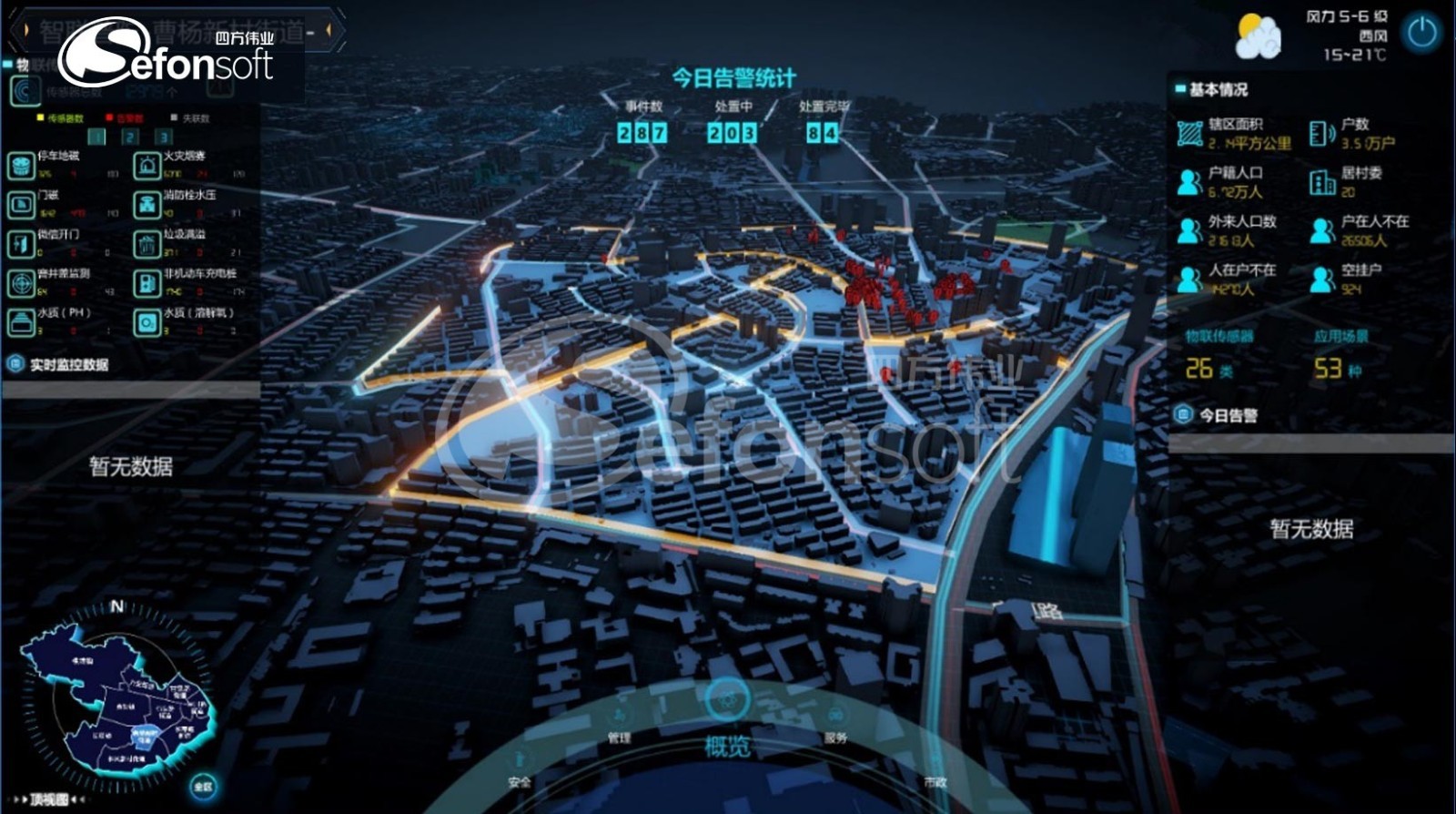
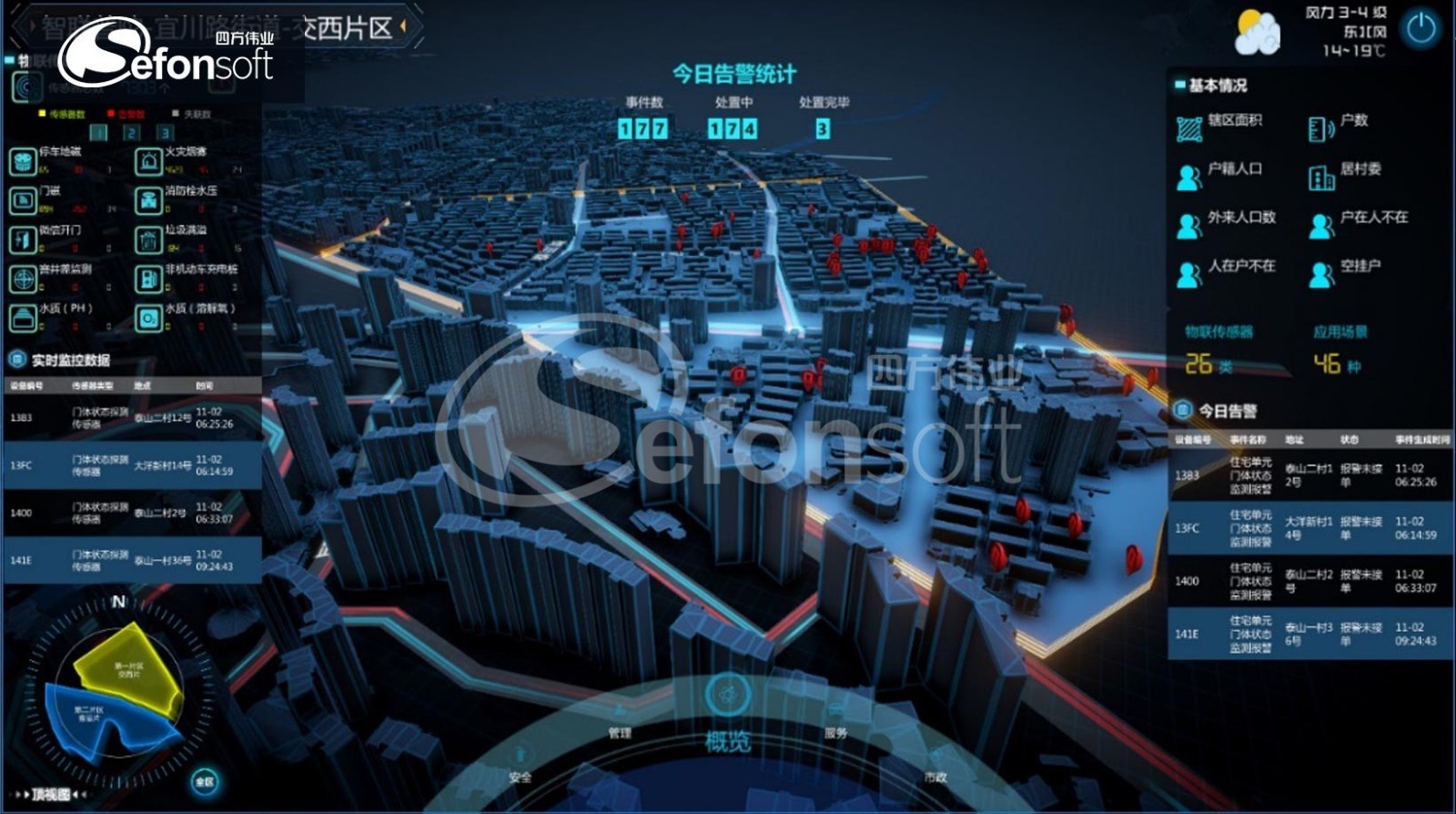
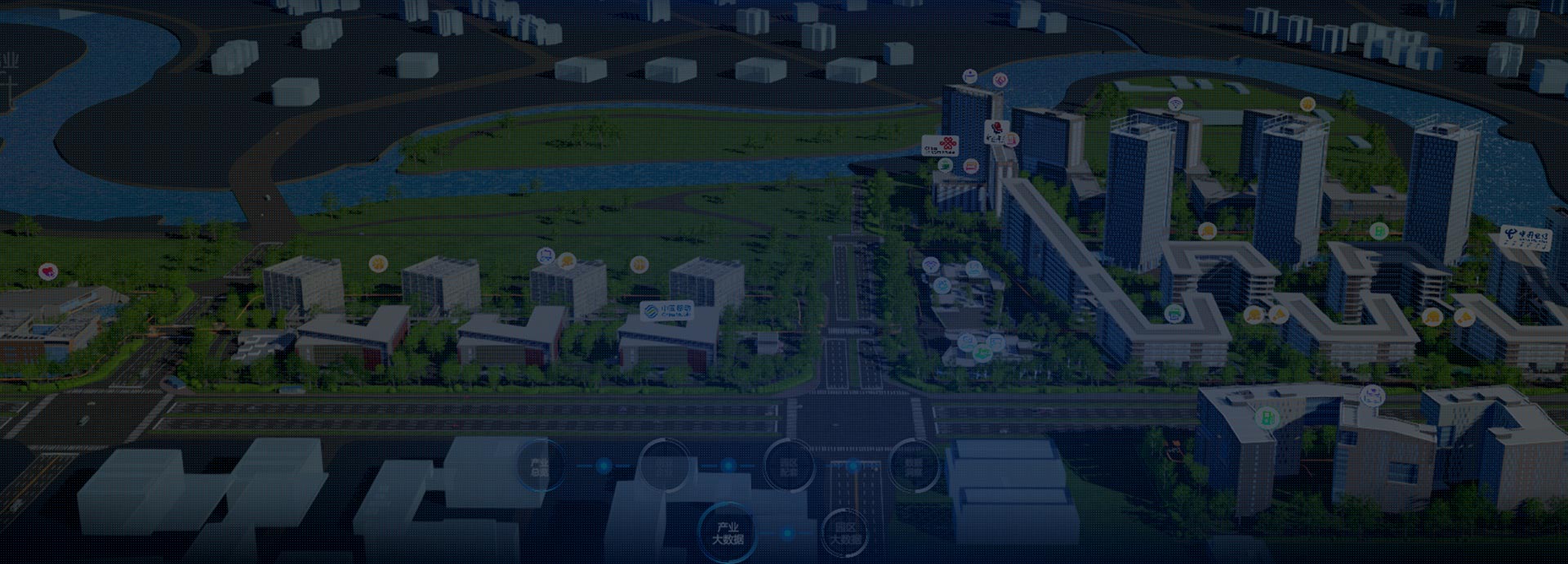
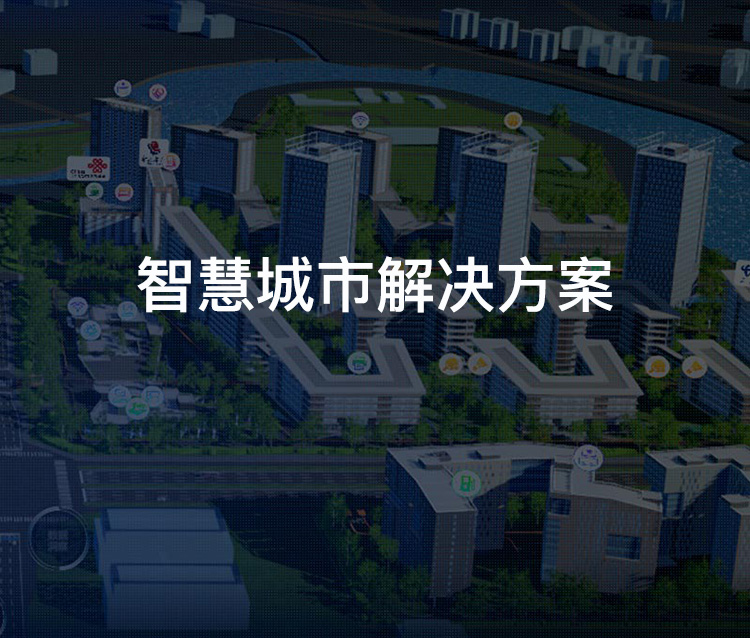
A digital twin city refers to a virtual model that replicates the real city in real time through digital technologies and data simulation. It represents the application of the “digital twin” concept in urban planning and management. By constructing a full-element digital twin city, closely integrating intelligent infrastructure development, the extensive application of AI technologies, and a standardized smart city framework, it connects underlying terminal facilities and leverages data to drive upper-layer industry applications, providing technical empowerment for a digital twin–based smart city.

Industry Challenges

The construction of digital twin cities lacks unified standards and specifications.
Expand all
Visualization platform engines are unable to support large-scale city-level digital twin scenarios and wide-ranging applications.
Expand all
Digital twin city projects often exhibit a “superficial without substance” phenomenon.
Expand all
The integrated application of data, business processes, and digital twin spaces requires further exploration.
Expand all

Our Methodology

Comprehensive Integration

Digital twin city development is a continuous process. It requires full integration of 3D digital models accumulated and constructed across different standards and industries. Guided by business application scenarios, the digital twin is built and optimized step by step in a targeted and orderly manner, ultimately achieving a full-element digital twin spanning physical and digital urban spaces.

Business Abstraction and Data-Driven

High-quality data platforms and high-timeliness urban IoT sensing systems serve as the foundational elements for digital twin cities. Establish comprehensive business data standards and specifications for digital twin cities, ensuring data resource aggregation and access across all levels, departments, and systems. By abstracting and driving the city’s digital twin through data, urban operations, management, and services transition from the physical to the virtual, enabling modeling, simulation, evolution, and control within a virtual space.

End-Device and Data Stream Integration

The digital city space mapped from the physical city carries comprehensive sensing, full-element simulation, and full-cycle coordination involved in urban planning, operation, and management. It functions as a high-precision, large-scale, and structurally complex business platform for city management departments. By integrating end devices (visualization engines) with data streams (cloud rendering technologies), the constructed 3D visualization platform provides technical support for multi-department, high-concurrency, and fine-grained application scenarios.

Integration of Reality and Digital

Deeply understand the business requirements of urban operations and management, and explore the correlations between the digital twin city space and physical urban entities. With continuous advancements in digital twin, big data, and AI technologies, digital twin cities evolve through external replication, realistic visualization, mechanistic modeling, point-to-point interaction, integrated intelligent optimization, dynamic simulation of virtual-physical coexistence, and innovation-led upgrades.

Consult Now Free trial

Holistic Planning

Implementation Value

Building a Precise Urban Sensing System

Leveraging digital simulation, virtual interaction, and modular assembly techniques, the digital twin city—where virtual and physical elements are fully intertwined—enables urban operations, management, and services to transition from the physical to the virtual. This allows for modeling, simulation, evolution, and control in the virtual space, while simultaneously influencing and optimizing resource allocation in the physical city.

Leveraging digital simulation, virtual interaction, and modular assembly techniques, the digital twin city—where virtual and physical elements are fully intertwined—enables urban operations, management, and services to transition from the physical to the virtual. This allows for modeling, simulation, evolution, and control in the virtual space, while simultaneously influencing and optimizing resource allocation in the physical city.

Enhancing Macro Planning

At the macro planning level, the digital twin city provides decision-makers with comprehensive and accurate urban information, enabling better prediction of future urban development trends and demands, and optimizing various aspects of the city. Decision-makers can simulate different development scenarios, evaluate the impacts of policies, and formulate more effective strategies to achieve sustainable urban growth.

At the macro planning level, the digital twin city provides decision-makers with comprehensive and accurate urban information, enabling better prediction of future urban development trends and demands, and optimizing various aspects of the city. Decision-makers can simulate different development scenarios, evaluate the impacts of policies, and formulate more effective strategies to achieve sustainable urban growth.

Improving Urban Governance

Through IoT sensing and ubiquitous networks, physical elements are mapped into the virtual, and through data-driven decision-making and intelligent control, virtual insights are applied back to optimize the physical city. This greatly enhances governance capabilities and efficiency.

Through IoT sensing and ubiquitous networks, physical elements are mapped into the virtual, and through data-driven decision-making and intelligent control, virtual insights are applied back to optimize the physical city. This greatly enhances governance capabilities and efficiency.

Success Stories

New-Type Smart City of Changde

Exemplar of Next-Gen IT Urban Integration

Learn more

Begin Your Data Intelligence Journey Today

Consultation Free Trial